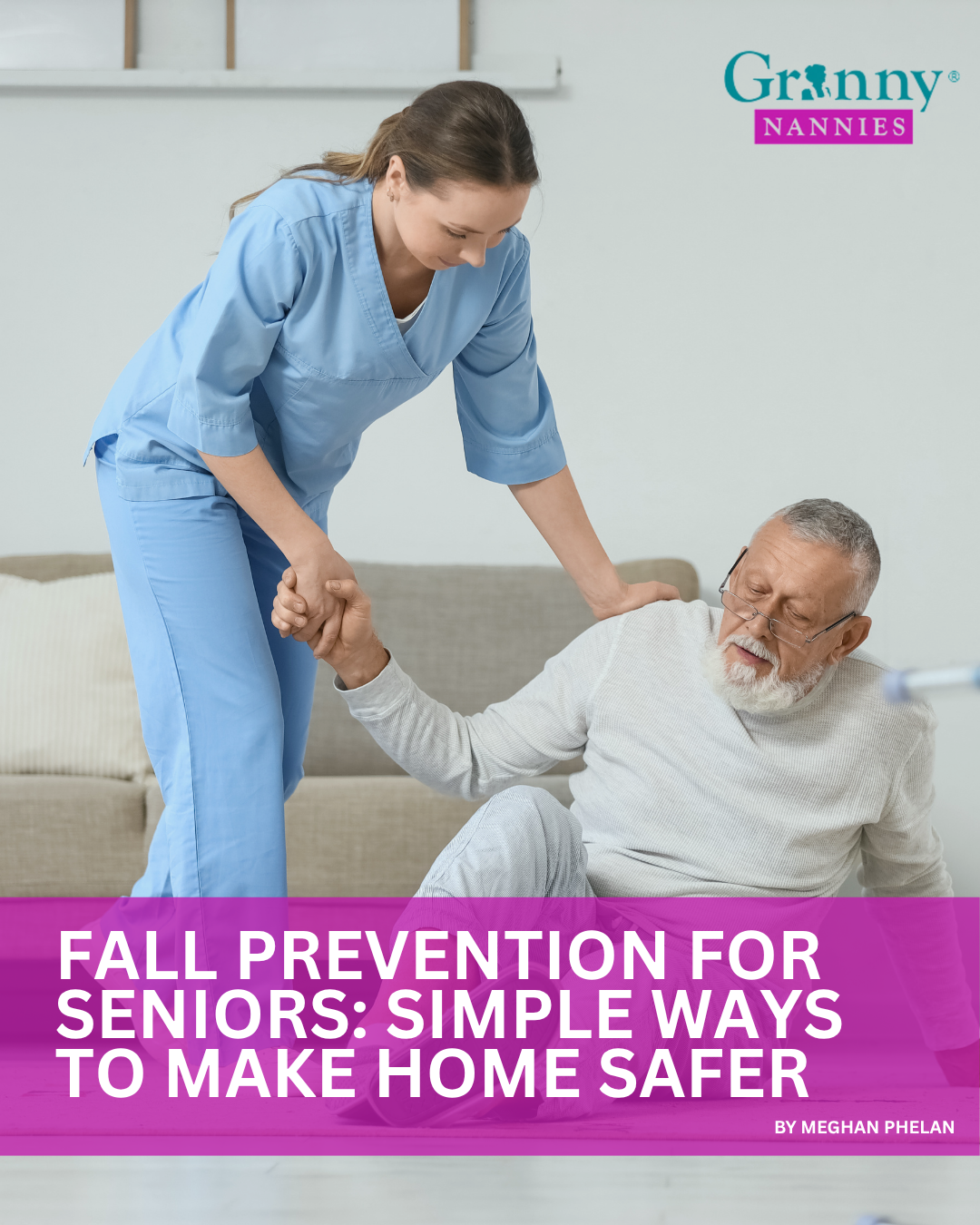
Falls can become a serious concern as we age. Changes in balance, vision, strength, medications, and mobility can make older adults more vulnerable to falls, even in familiar surroundings. Everyday items such as loose rugs, poor lighting, electrical cords, or cluttered walkways can also create hazards that may be easy to overlook.
September is Falls Prevention Awareness Month, making it a good time to take a closer look at your aging loved one’s home. Fortunately, fall prevention for seniors does not always require major renovations. A few simple changes can improve senior home safety and support your loved one’s ability to continue aging in place.
Start With the Most-Used Spaces
Begin by looking at the rooms your loved one uses every day. Pay particular attention to the paths between the bedroom, bathroom, kitchen, and favorite sitting areas.
Are walkways wide enough to navigate comfortably? Are there objects on the floor? Is there enough lighting at night?
Remove unnecessary clutter and secure or remove loose rugs that could slide or bunch. Electrical cords should be moved away from walking areas, and furniture should be arranged to provide clear pathways.
Good lighting is another important part of fall prevention at home. Add brighter bulbs where appropriate and consider nightlights or motion-activated lights in hallways, bedrooms, and bathrooms.
Pay Extra Attention to the Bathroom
Bathrooms can present additional fall risks because of wet floors and slippery surfaces.
Check that your loved one can safely enter and exit the shower or bathtub. Properly installed grab bars and nonslip surfaces may provide additional stability. A shower chair may also be appropriate for someone who has difficulty standing for extended periods.
Frequently used toiletries should be within easy reach so there is no need for excessive bending, stretching, or climbing. Remember that towel racks are not substitutes for properly installed grab bars and may not support a person’s weight.
Make the Bedroom Safer at Night
Getting up during the night can be challenging, particularly when someone is sleepy or has limited vision.
Keep the path between the bed and bathroom free from shoes, laundry, cords, and other objects. A nightlight can make it easier to navigate without searching for a light switch.
Keep frequently used items, such as eyeglasses, a phone, and water, close to the bed. If your loved one has difficulty getting into or out of bed, talk with their healthcare provider about whether additional support may be appropriate.
Consider Electronic Caregiver Support
Technology can also provide an additional layer of support for families concerned about falls. Electronic caregivers and monitoring systems can help older adults remain independent at home while giving family caregivers greater visibility when they cannot be there in person.
Depending on the system, electronic caregiver technology may offer fall detection, emergency alerts, activity monitoring, and access to assistance when a fall or other concern is detected. Some systems can also help families identify changes in normal activity patterns that may signal a need to check in.
Electronic monitoring does not replace the personal support of an in-home caregiver, but it can complement a broader fall prevention plan for seniors. Combining a safer home environment, appropriate technology, family involvement, and professional caregiving support can provide additional peace of mind while helping an aging loved one remain safely at home.
Don’t Forget the Kitchen, Stairs, and Entryways
In the kitchen, move commonly used dishes, cookware, and food to locations that can be reached without climbing on a stool or chair. Clean spills promptly and make sure rugs or mats do not slide.
Stairways should have adequate lighting and secure handrails. Avoid leaving shoes, packages, laundry, or other objects on the steps.
Outdoor areas deserve attention, too. Check porches, driveways, and walkways for uneven surfaces, poor lighting, or slippery areas. In South Florida, rain can quickly make outdoor surfaces slick, so entrances and walkways should be kept as clear and safe as possible.
Do a Fall Prevention Walkthrough
Family caregivers can perform a simple home safety checklist for seniors by walking through the house with fresh eyes. Ask yourself:
- Are walking areas free from clutter, cords, and loose rugs?
- Is there adequate lighting throughout the home?
- Can frequently used items be reached without climbing or bending?
- Are bathroom surfaces as slip-resistant as possible?
- Are stairways and outdoor areas well-lit and easy to navigate?
- Has my loved one’s balance or mobility changed recently?
- Have there been any recent falls or near-falls?
- Does my loved one have a reliable way to call for help or alert someone if a fall occurs?
If you notice several areas of concern, you do not have to address everything at once. Start with the most immediate safety risks and include your loved one in the conversation. The goal is to make the home safer without taking away their sense of comfort, control, or independence.
When You’re the One Doing the Worrying
Caring for an aging loved one often means noticing changes that others may not see. You may find yourself checking the floors when you visit, worrying about nighttime trips to the bathroom, or wondering whether your parent is safe when you are not there.
Those concerns are worth paying attention to, but you do not have to solve every potential safety issue at once. Start with what you can address today, continue the conversation with your loved one, and consider additional support when their needs begin to exceed what you can reasonably manage on your own.
Family caregivers provide an incredible amount of support, but keeping an aging loved one safe should not have to rest entirely on one person’s shoulders.
Know When Additional Help May Be Needed
Not every fall risk comes from the home itself. Changes in vision, medications, muscle strength, balance, or overall health may also contribute to falls. If your loved one has recently fallen, seems increasingly unsteady, or has developed a fear of falling, discuss these changes with their healthcare provider.
Professional in-home care for seniors can provide families with an additional layer of support. Caregivers can assist with everyday activities, provide companionship, help maintain consistent routines, and observe changes in mobility or behavior that family members may not immediately notice.
The goal of fall prevention is not to limit an older adult’s independence. It is to create a safer environment that allows them to remain comfortable and confident at home while giving family caregivers additional support and peace of mind.
If your aging parent or loved one could benefit from additional support at home, give us a call at Granny Nannies of Miami at (305) 614-9690. Our professional caregivers can provide compassionate in-home care for seniors while helping your loved one remain safe, comfortable, and independent in the place they know best, their home.