
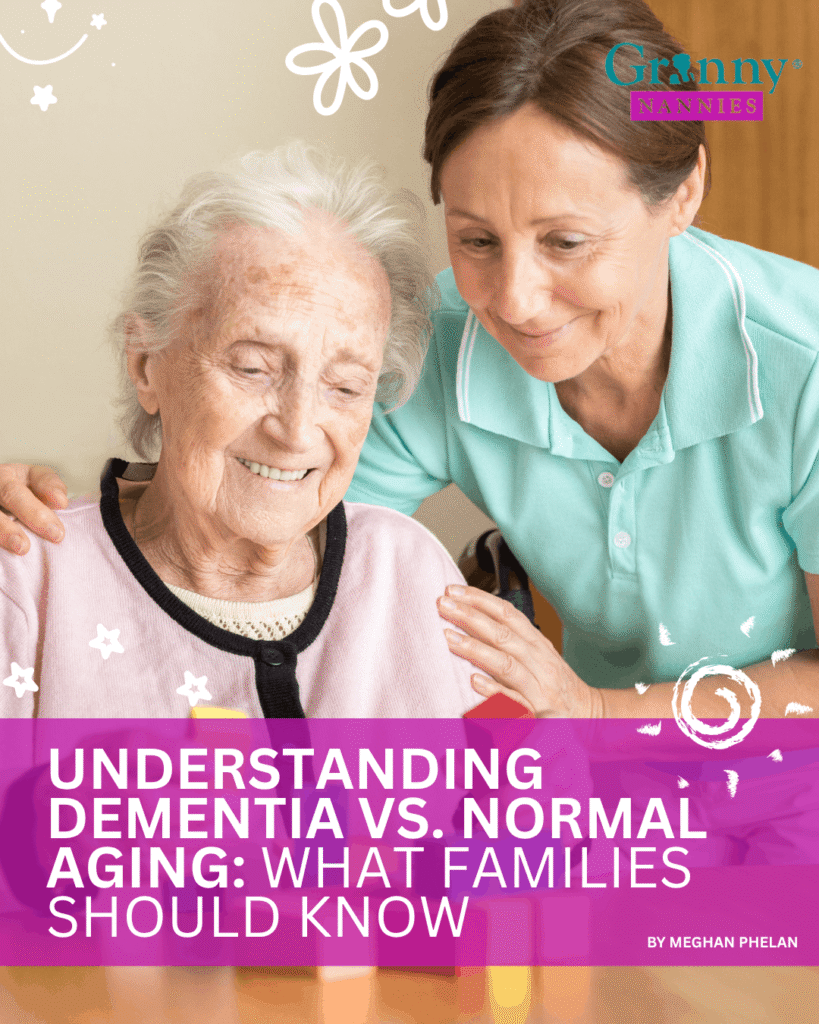
You call your mom, and she cannot remember where she put her keys. Your dad forgets the name of someone he recently met. Maybe your loved one repeats a story you heard just a few days ago. For family caregivers, moments like these can immediately raise a difficult question: Is this a normal part of Read More
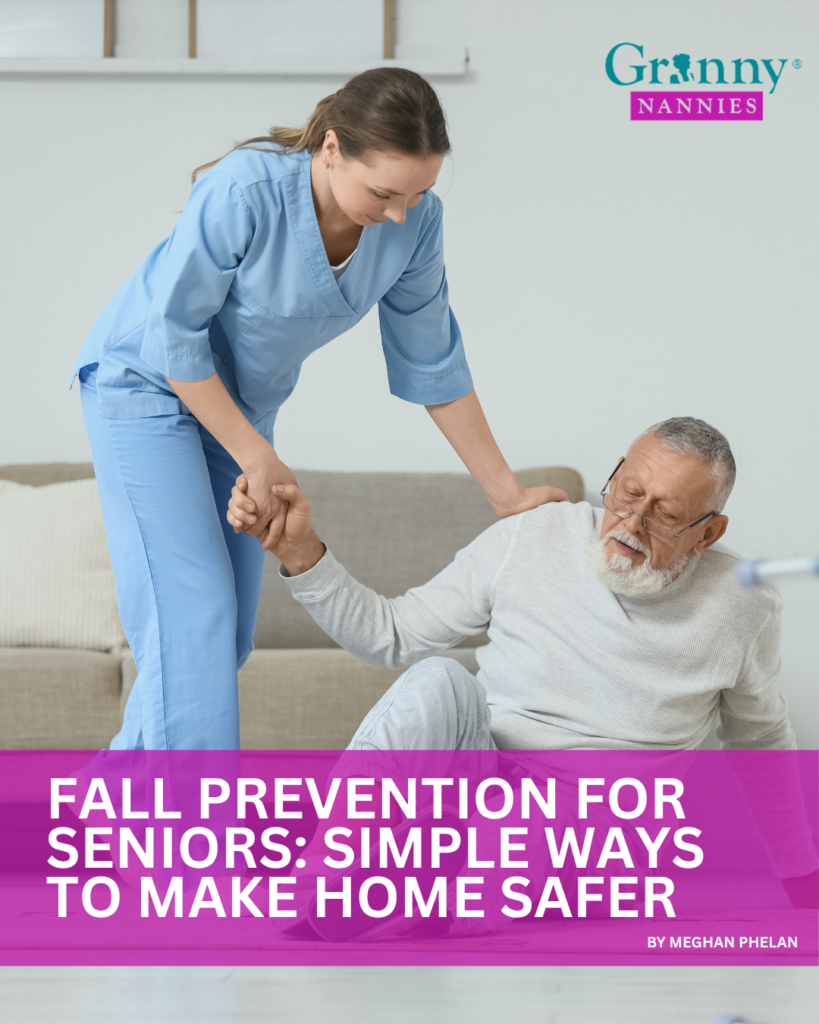
Fall Prevention for Seniors: Simple Ways to Make Home Safer
Falls can become a serious concern as we age. Changes in balance, vision, strength, medications, and mobility can make older adults more vulnerable to falls, even in familiar surroundings. Everyday items such as loose rugs, poor lighting, electrical cords, or cluttered walkways can also create hazards that may be easy to overlook. September is Falls Read More
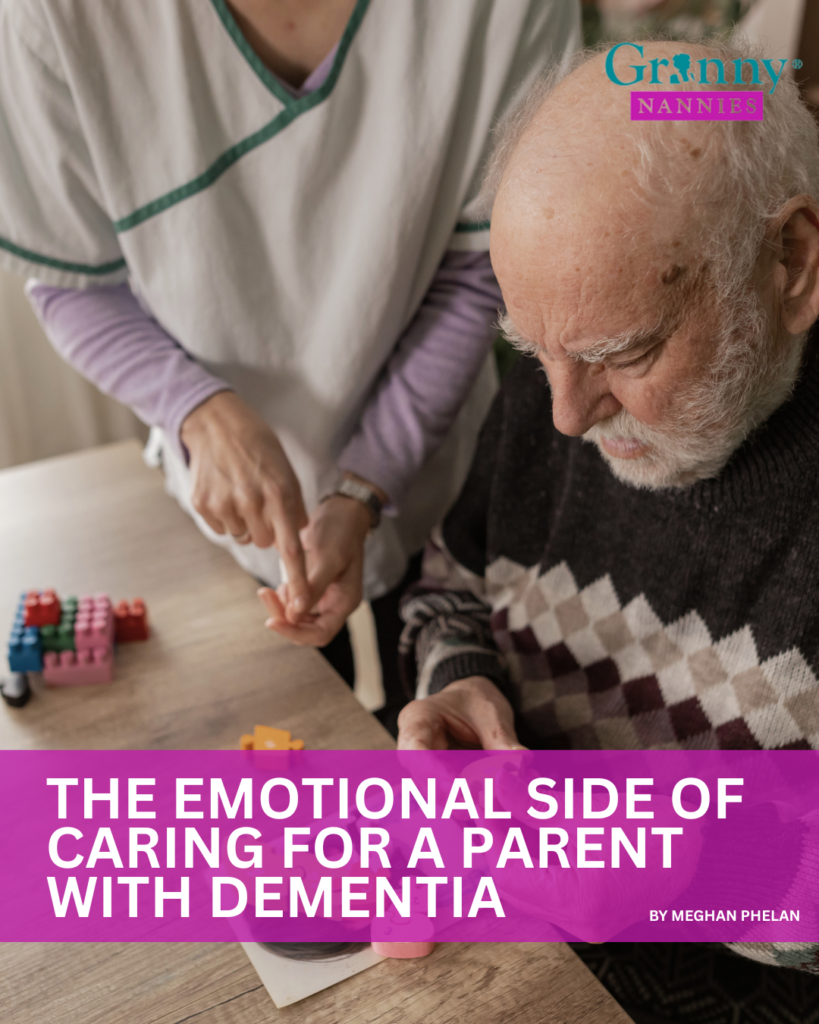
The Emotional Side of Caring for a Parent with Dementia
When a parent is diagnosed with dementia, most of the practical advice focuses on logistics: managing medication schedules, ensuring a safe and comfortable home environment, coordinating doctor visits, etc. What gets talked about far less is the emotional weight carried by adult children who take on the role of caregiver. That weight is real, it’s Read More
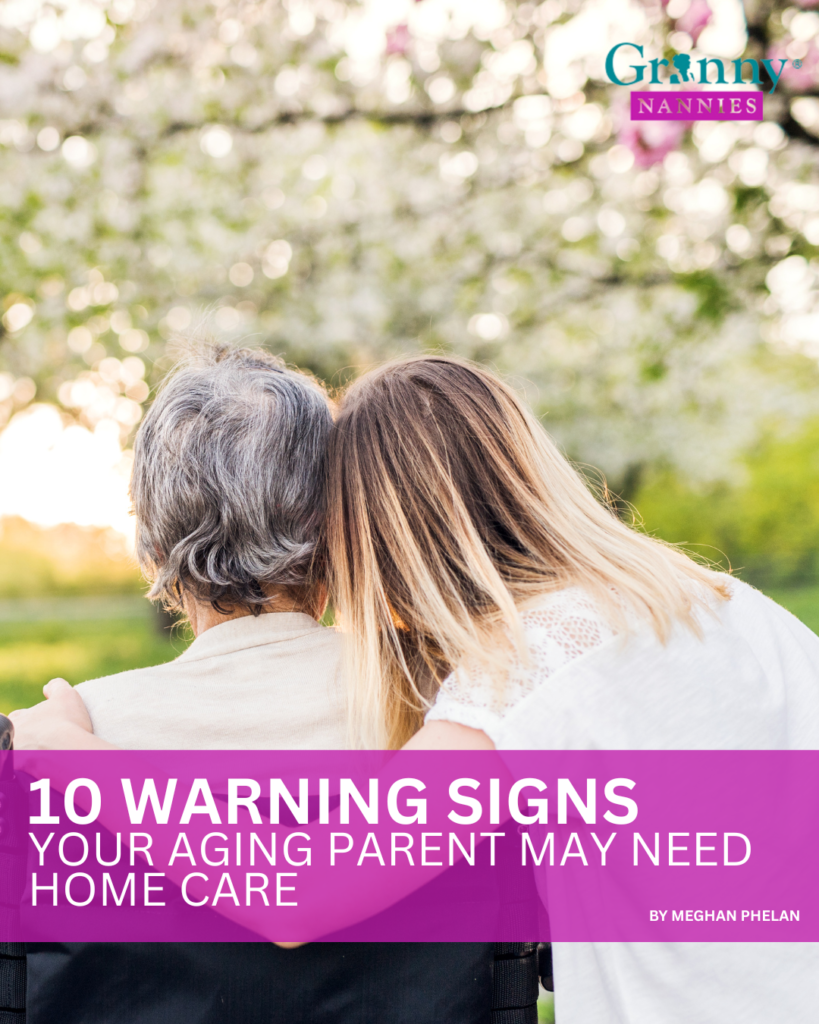
10 Warning Signs Your Aging Parent May Need Home Care
One of the most difficult parts of caring for an aging loved one is recognizing when they need more help than family members alone can provide. Many older adults value their independence and may be reluctant to ask for assistance, even when everyday tasks become increasingly difficult. As a result, family members are often left Read More
Is Your Parents’ Home Helping or Hurting Their Health?
Home is regarded by many as a place of safety, comfort, and familiarity. For some, the home may also hold sentimental meaning beyond the bricks and mortar that make it a space for living. But as people age, the home environment can also have a significant impact on their physical, cognitive, and emotional well-being. A Read More