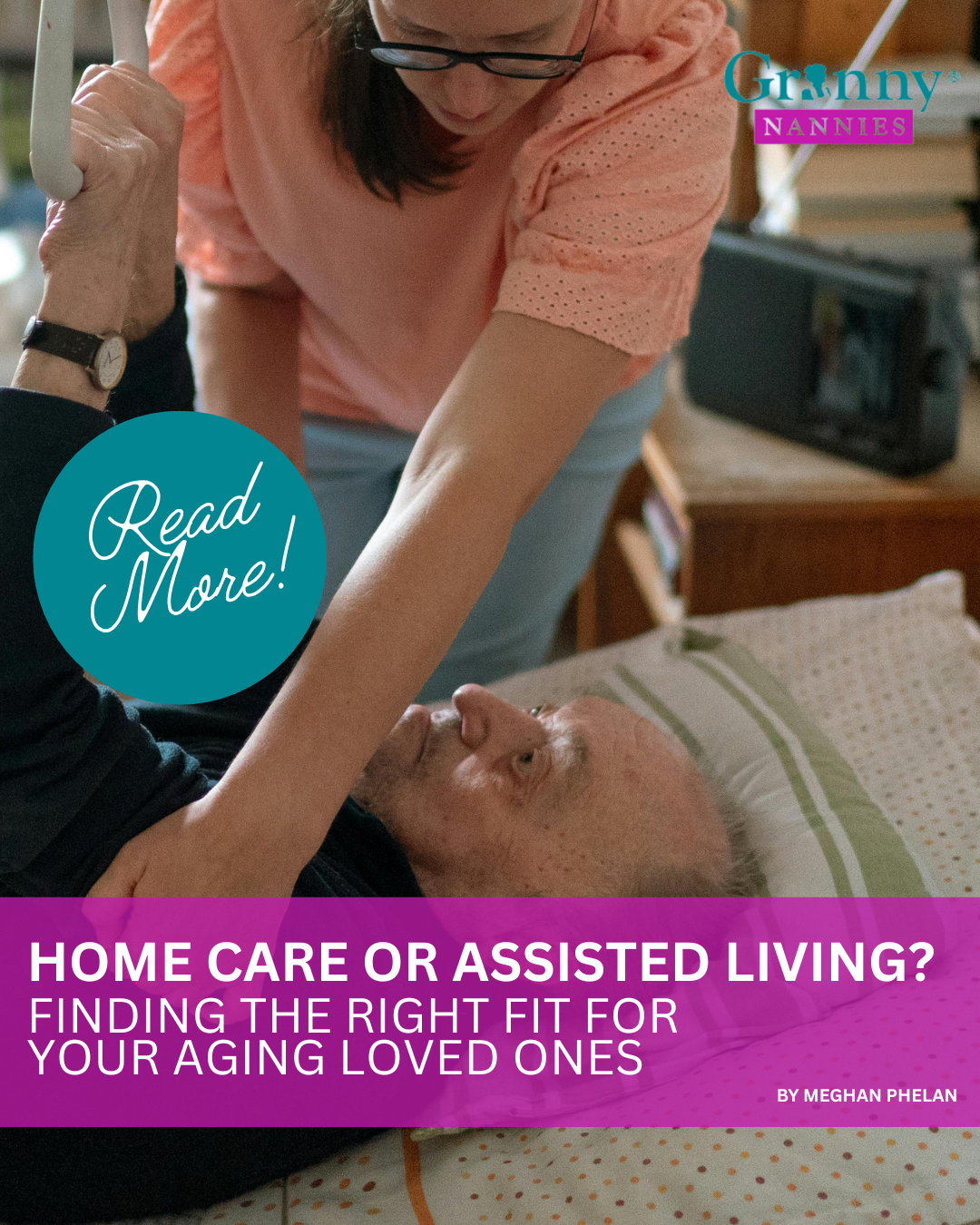
When an elderly family member begins to need extra support, families are often faced with the difficult decision of choosing assisted living or home care. While assisted living communities can offer safety, structure, and convenience – along with many attractive amenities – home care is an increasingly appealing option for families who want to balance safety, dignity, financial resources, and quality of life. Here are some reasons that choosing home care may be the right solution for your loved one.
Familiarity
One of the greatest benefits of home care is familiarity. Remaining in a familiar environment can reduce confusion, anxiety, and stress, especially for individuals experiencing cognitive decline. Being in their own homes, keeping the same routines, and being surrounded by their personal belongings and memories creates a sense of comfort that is important during this time of life. Home care allows seniors to age in place while receiving the support they need, preserving their independence and ensuring their safety.
Personalized Care
While the quality of care in assisted living settings may be good, it is often standardized to meet the needs of many residents at once. Home care, by contrast, is tailored to the individual. Caregivers provide one-on-one attention, adapting support to daily preferences, cultural practices, and evolving health needs. This flexibility allows families to establish care schedules and services to fit their loved one’s current needs and adjust as circumstances change. In assisted living settings you are often committed to a fixed level of care and may incur unexpected charges for any necessary changes.
Cost
Assisted living facilities provide 24/7 accommodations and services and typically charge using either an all-inclusive model or a tiered, “a la carte” model. The all-inclusive model charges the same for all residents and may include services your loved one does not need or use. In the “a la carte” model, you pay a base rate for a specific level of services and then pay additional fees for extra services (e.g., bathing assistance, meal preparation, etc.). Home care can be more cost-effective, particularly for individuals who need part-time assistance rather than round-the-clock support. Services can be scaled up or down based on the individual’s needs and budget, making home care a more financially flexible option.
High Level of Family Involvement
Home care not only allows but encourages loved ones to remain closely connected to daily care decisions and routines, often collaborating with caregivers to ensure continuity and trust. This partnership can be reassuring for both the older adult and their family, especially when navigating complex medical or emotional needs or providing support for degenerative conditions that are constantly changing.
Independence and Dignity
Finally, home care promotes dignity and autonomy for seniors. Individuals receiving home care can maintain their routines, have more control over their daily decisions, and keep important social connections while receiving support that enhances rather than replaces their independence. For many families, choosing home care is not just about logistics; it’s about honoring a loved one’s wishes and supporting aging with respect and compassion.
Home care offers a meaningful alternative to assisted living. During a time in life where a sense of independence and control are often lost, choosing a care option for your loved one that provides consistency, familiarity, and a level of independence can make all the difference in their quality of life. Granny Nannies of Miami has a wide range of in-home care services to meet the needs of your aging seniors. Let us know how we can help.